
Smash enemies into oblivion with this rage-filled, primal warrior
What are barbarians in D&D?
Barbarians are fierce warriors with primal instincts whose primary approach to just about anything involves brute force and a reckless abandonment of self-preservation. They are frontline warriors first and foremost and generally deployed as a party tank and damage dealer though fighters and paladins are also both adept in these roles.
Barbarians differ from their martial counterparts though, in their more primal, reckless and instinctive approach to battle. Rather than entering the fray clad in protective armor, highly trained in swordsmanship or even the divine magic of a paladin, a barbarian prefers brute strength, honing their body to physical perfection, producing a terrifying fury that most enemies will baulk at.
Part of what makes barbarians so formidable is that they will often enter a rage in battle, allowing them to shrug off all but the most lethal of wounds while dealing considerable amounts of damage. They also rely on the primeval knowledge and training from a primal path, tapping into the powers that influence their nettle rage to enhance their abilities.
It would be wrong to assume that barbarians are simply rage-filled machines of destruction like Hulk. Yes, the berserker subclass certainly embodies this approach, but many barbarians are more akin to druids and rangers as guardians of the natural world and its inhabitants (like Riverwind from the Dragonlance books). A character that perhaps fits in the middle of these barbarian types is Wolverine who is both a protector and an aggressive warrior.
At a glance
Choose a barbarian if you want…
- To fight with weapons
- The most durable class in the game
- To solve problems with your fists
- A class that’s easy to play
- To smash stuff!
A barbarian might not be for you if…
- You’re looking for a spellcaster
- You like having lots of tools at your disposal
- Are looking for a more challenging class to play
- Don’t want to be the one taking the beating while everyone else hides behind you
For a more detailed look at a barbarian’s capabilities, I’ve put together the scoring matrix below. This rates barbarians on different features and abilities to give you a clear idea of where their strengths and weaknesses lie. For a full comparison of all classes and their capabilities, check out our class guide:
Class ratings (out of 5)
Combat
- Armor class: 4
- Weapon damage: 4
- Durability: 5
- Mobility: 4
- Combat abilities: 5
Spellcasting
- N/A: Barbarians don’t have access to spells
Out of combat
- Face abilities: 2
- Skills: 2
- Out of combat abilities: 1
How have we worked out these scores?
We’ve reviewed and played all the officially released D&D 5e classes and looked at a typical build for these class types. Because subclasses offer a lot of variety, we’ve had to exclude these from our considerations.
There is an exception here as the artificer is shaped hugely by their subclass. When it comes to something like weapon damage, we’ve had to take into consideration the fact that most artificers are decent with weapons, but an alchemist would probably only score a 2, even if the other artificer subclasses would score a 3.
We’ve scored each attribute out of 5 with a score of 5 reserved for classes that are the very best at that attribute. There’s some judgement required here. For example, a druid is typically a 3 in mobility (average mobility), but with wildshape, they can fly and swim quicker (and just travel faster). This elevates their score in our minds, even if they don’t consistently have these levels of mobility.
It’s important to understand though, that these scores are not hard and fast. Obtaining feats and pumping more into certain ability scores can turn any class into a decent face, for example. Different subclasses will also make a class better at different things (like an eldritch knight gaining spellcasting) but we feel that these scores represent most typical versions of their class.
Barbarian Strengths
Barbarians have very clear and obvious strengths. They’re built to be at the forefront of combat, taking the hits and meting out powerful blows. Specifically, they’re great at:
Tanks: Barbarians are the toughest class in the game with the biggest HP die, rage that halves a lot of damage and relentless rage that can stop you dropping to 0 hit points. Plus their focus on unarmored defense pushes you towards a high constitution build.
Damage dealers: Rage grants some extra damage, but the availability of two handed weapons (which deal the most damage) paired with an extra attack, more powerful critical hits and reckless attack (for much more reliable hitting) makes you pretty great at dealing damage. Fighters deal more damage per turn, but will likely last less long than you will.
Fast: Barbarians get a higher movement speed than most classes in the game (they’re only bettered by monks). This means you can get into the fray quickly, but pairs nicely with things like the mobile feat or races that are a bit quicker like Wood Elves and Centaurs. It also works to increase the speed of other movement types like flying, swimming and climbing so playing an Aarakocra or Triton barbarian can be effective in making you faster in all sorts of environments.
Straightforward tactics: Barbarians aren’t complex beings. If you don’t want to get bogged down in endless spells like a wizard or an array of abilities and options like an artificer, then barbarians make a great choice. Just switch on that rage and charge at the nearest thing that looks at you wrong. While your Sorcerer pal flicks through the spell list, you can ponder whether you should use reckless attack or not this turn.
Barbarian Weaknesses
If you can’t smash it, a barbarian is unlikely to be your best option for it. They don’t offer much in the way of utility, often lack skills that are useful outside of combat and often don’t have the same capabilities for the subtler arts such as investigation, negotiation or spellcasting. This doesn’t mean they don’t have any utility outside of combat. Breaking down doors, intimidating local crooks and utilising some interesting primal abilities are all still great ways for a barbarian to get involved outside of combat.
Spellcasting: Barbarians don’t have access to spells so are obviously rubbish at this. On top of that, they usually have low spellcasting abilities and can’t cast or concentrate on spells while in a rage. This means that even dipping into a spellcasting class for a multiclass option is almost pointless for a barbarian (unless you plan on not raging, which would be foolish).
Lack of utility: Barbarians are poor when it comes to face skills or stealthing around and their features are heavily combat focused. This means that other than the odd bit of scouting (which they can be decent at) or the occasional battering down of a door, barbarians lack a lot of the utility that spellcasters, rogues and high charisma characters can have outside of combat.
Simple tactics: Some may find that tactically, barbarians offer too little to be interesting. This shouldn’t detract from their effectiveness or their ease of play for newer players, but experienced players looking for something a little more challenging may want to look elsewhere (perhaps a paladin or a ranger if you’re still keen on a martial class).
Of course, you can try to stylise your barbarian towards other strengths. A high charisma barbarian is possible (if not optimal) with some face skills picked up from a background. The above though, tackles a typical, well optimised barbarian and you’ll likely find that deviating too far from this archetype weakens other areas and you may have been better off picking a class more suited to the tactics you want.
Getting the most out of a barbarian’s features
| Party Role | Melee Damage, Tank |
| Main Ability | Strength and Constitution |
| Saving Throws | Strength, Constitution |
| Hit Dice | 1d12 + Consitution modifier per level |
| HP at 1st Level | 12 + Constitution Modifier |
| Spell Casting Ability | N/A |
| Armour Proficiency | Light armour, medium armour, shields |
| Weapon Proficiency | Simple weapons, martial weapons |
As straightforward as a barbarian is to play, they still have some powerful features that require some thought in how you use them which I’ve outlined below:
Rage
Rage is the barbarian’s keystone feature and it’s powerful. You won’t want to entire a major encounter without it! For adventures with many smaller encounters each day, you may want to preserve your rage for the moments that matter, but in most instances, you should have plenty of uses of rage to last you. It last a minute which is longer than most encounters anyway (that’s 10 turns).
You’ll also want to remember that rage will make you tough against typical weapon damage, but anything that isn’t bludgeoning, piercing or slashing is going to hurt you just as much as everyone else! So mages can be particularly deadly for you. It’s generally good to deal with spellcasters early, but this is especially the case for barbarians.
It’s also worth being aware that some things don’t mix well with rage. You can’t cast or concentrate on spells during rage so multiclassing as a spellcaster is likely a waste. You’ll also want to make sure you can maintain your rage. To do so, make sure you can keep hitting enemies each turn (or at least they keep hitting you).
Unarmored Defense
This means you can fight in a loin cloth like all the greatest barbarians! Remember that you don’t have to use unarmored defense, you still have proficiency in medium and light armor. At low levels, you may find that scale mail (or half plate once you have the money) will get you a better AC.
At high levels, it’s possible to hit +5 for both dexterity and constitution giving you an AC of 20 which will exceed the maximum of 17 that standard medium armor will grant you (though this may mean diverting ability score increases away from strength). But unarmored defense has the potential to be the most effective option, you’ll just have to choose which works best for your barbarian at any given point.
Remember as well, that if you want to go for higher durability and lower damage (what kind of barbarian are you!?) then you can grab a shield whether you’re unarmored or not.
Danger sense – Level 2
Advantage on dexterity saving throws is great as these are typically the high damage kinds of spells and effects. Often these will lead to taking half damage, which is already handy, but with rage enabled, if the damage is bludgeoning, piercing or slashing damage, then you can effectively quarter the damage you take.
Reckless Attack
Advantage on attacks is great, but with advantage against you making an interesting trade-off. The problem here is in many instances, the enemy attacks against you may well be more than the 2 attacks you’ll typically dish out. What this means is that you’re likely to be better off lasting longer than using this ability (despite how appealing it can be to smash your enemies apart).
There are a couple of exceptions to this though:
- Enemy already has advantage: If your opponent already has advantage on attacks against you, this becomes largely irrelevant. This might be the case if you’re surrounded by a horde of enemies (seems typical for a barbarian) so they’re benefiting from flanking you. Advantage doesn’t stack so you might as well whack out reckless attack.
- You’re defending against a spellcaster: Yes, some spells do make attack rolls, but many require saving throws instead which won’t be impacted by the advantage your opponents get on attack rolls against you.
- Killing them quick: The other justification for reckless attack is being able to kill your opponent quick. When used, you always get the first attack so if you can finish them off that round, it may be worth the risk.
Ideally though, you’ll want to gain advantage from other sources so you’re not lumbered with the disadvantages of reckless attack.
Extra Attack
Two attacks means twice as much damage and don’t forget your bonus damage from rage counts for each attack.
Fast Movement
An extra 10ft of movement is important for getting into battle quickly, or getting to your next foe quickly. Just make sure you don’t wear heavy armor.
Feral Instinct
Advantage on initiative rolls means you can strike first more often and you usually can’t be surprised either. Just make sure you rage on your first turn (would you have done it any other way)!?
Brutal Critical
You’re extra great at critical hits, but the effects are interesting here as you roll an extra weapon damage die when you land a critical hit. This means that if you’re thrusting with a shortsword (d6 damage), the effects are much less than if you’re swinging around a greataxe (d12 damage). It’s important to note here that a greatsword, which in standard battle, is slightly superior to a greataxe as you roll 2d6 (no chance of rolling a 1 for damage) is inferior for brutal critical as you’d only roll an extra d6 rather than a d12.
The main tactic here is finding ways to land critical hits more often. There aren’t many ways to do this, but ensuring you have advantage on attack rolls as much as possible will help (reckless attack could help here, but refer to that section above for some cautionary notes).
Relentless Rage
Fantastic way to stay conscious after having your HP reduced to 0. If nothing else, you’ll soak up more attacks. In the best cases though, you’ll stay conscious long enough to finish off your enemies. The main thing here is making sure you’re in top condition to pass your saving throws.
High constitution is the easiest way to do this, but encouraging a friendly bard to give you bardic inspiration or a spellcaster to apply bless to you is another. The lucky feat can let you reroll 3 saving throws a day, including this one. If you have a paladin in your party, sticking near them will also enable you to benefit from a boost to your saving throws.
Persistent Rage
It’s not much, but rage is simply easier to maintain now.
Indomitable Might
You’re amazing at strength checks now (assuming you’ve gone big on strength which should be at least 16 by this point, and preferably more). This makes you a bit of a shove and grapple master, capable of easily weakening opponents with a minimum strength check that’s incredibly high. Also, you’ll never look stupid failing to bash down a wooden door again!
Primal Champion
Strength and constitution are hugely important to a barbarian, and imagine rolling a minimum of a 24 for strength checks with indomitable might now! Almost no-one can resist your grapples!
How to play as a barbarian

In a word, “Smash!” Barbarians are built to be thrown into the heart of combat, soak up the damage that might have gone on squishier characters, and hurt anything that isn’t an ally. Oh, and don’t forget to rage; you should definitely rage!
There are a few ways you can embody this rage machine which I’ve detailed below:
Damage sponge
Good for: Soaking up damage and dealing some melee damage
Creating a damage sponge: High dexterity and high constitution are most important here as this is the most effective way to get your AC as high as possible (up to 20). Strength remains important as barbarians don’t want to rely on finesse weapons (extra damage with rage for instance, doesn’t work here, you can’t smash with a rapier) but you’re less reliant on dealing damage with this build. Take a shield for the +2 AC too. You’ll have to grab a one-handed weapon like a long sword which will do less damage, but enable you to be more defensive. You can also grab a feat like tough to increase your durability further.
How it works: As you’d expect, you’re there to draw attacks, take damage and keep enemies at arms length. Make sure you rage (as all barbarians should) and avoid things like reckless attack in most situations as you need to outlast your opponents and soak up as may hits as possible.
Damage dealer
Good for: Causing a lot of damage
Creating a tank: For this build, strength is your most important ability. You’ll still need to up your constitution fur durability and ideally have at least 14 dexterity to maximise on medium armor. Unarmored defense can be better than medium armor if you’ve got the right ability scores, but strength should be your focus.
Pick up a two-handed weapon for maximum damage. A greataxe is best for maximum critical damage with brutal critical. I’d steer away from two-weapon fighting in most cases as you can’t attack with your offhand the turn you activate rage and subclasses like to use your bonus action for other things too but it can work. Leave the shield at home, you’re here for maximum damage.
How it works: Offence is the best form of defence right? How’s that guy you’ve just decapitated supposed to hurt you now (hopefully you didn’t do this to a hydra)!? Really, this build is about doing as much damage as possible, as quickly as possible. Target highly problematic enemies (like spellcasters, and your extra speed can get you to the backlines quicker if needs be). You can use reckless attack a little more liberally here, but I’d still avoid using it when possible as it does have its drawbacks.
Grappler
Good for: Tackling powerful enemies and limiting their impact
Creating a grappler: Again, you’ll want to go big on strength for this build. Constitution and dexterity remain important, but you need your strength to be as high as possible for a grappler to be effective. Also, make sure you’re proficient in athletics as this will increase your chances of landing a grapple.
In terms of weapons, sword and shield and two-weapon fighting are out of the question. Technically, you can hold a two-handed weapon and grapple. There seems to be a gap in the rules that allows this and you can still attack with that weapon while grappling. Check with your DM before you do this though as I can imagine many DMs applying some amount of logic to this gap. Otherwise, you’re limited to a single-handed weapon.
if you take the grappler feat, it will enhance your grapples further and even allow you to restrain your target (though that puts you out of the action too) as you can no longer attack while restraining the target.
How it works: Grappling on its own is only powerful if you want to stop a creature going somewhere. However, combined with knocking a creature prone (through a shove perhaps), you can now prevent your opponent standing up and now instigating advantage on melee attacks against them and causing their attacks to have disadvantage.
The other way to use a grapple is to drag your enemy around, preferably off a high ledge of some kind as you can move at half speed while you drag your grappled opponent.
The nice thing for the grappler is grappling someone only takes one attack from your attack action while escaping a grapple requires your opponents entire action, so the action economy is stacked in your favour. And as long as your opponent is grappled, you can continue to use your action normally.
Which subclass should I choose?

At level 3, barbarians can choose a primal path which determines the source from which their rage powers come and enhances their rage. A barbarian’s primal path can come from a variety of sources like their ancestors, the fury of a storm or a hereditary link to giant-kin.
Path of the berserker
Source Book: Player’s Handbook
Description: Utilises their rage for maximum combat effectiveness.
Good for: Barbarians that just want to deal even more damage and terrify their opponents with unbridled aggression
Path of the totem warrior
Source Book: Player’s Handbook
Description: Channels the animal spirits of the world to aid them.
Good for: Obtain animal abilities and support through your powers making these barbarians decent utility characters.
Path of the battlerager
Source Book: Sword Coast Adventurer’s Guide
Description: Utilises their body as a weapon giving little thought for self-preservation. This is a dwarf-only subclass, a special kind of barbarian linked to spiked armor which they use to damage their opponents.
Good for: Barbarians that just want to charge in and deal loads of damage.
Path of the ancestral guardian
Source Book: Xanathar’s Guide to Everything
Description: Draw upon the power of your ancestors to increase your abilities.
Good for: Barbarians that want to support their allies with their ancestral abilities.
Path of the storm herald
Source Book: Xanathar’s Guide to Everything
Description: Your attunement with nature enhances your ability.
Good for: Defensive minded barbarians who want to use magical auras to aid themselves and their allies.
Path of the zealot
Source Book: Xanathar’s Guide to Everything
Description: Your rage is a gift from the gods to enact their will.
Good for: Barbarians that want to channel their inner paladin and receive gifts of resilience and divine smites from the gods.
Path of the beast
Source Book: Tasha’s Cauldron of Everything
Description: You are attuned with the beasts of the world that enhance your abilities.
Good for: Barbarians that want to channel their inner lycanthrope and use nature’s weapons (claws, teeth or even a tail) to attack.
Path of wild magic
Source Book: Tasha’s Cauldron of Everything
Description: Your rage shatters the bounds of magic creating unexpected magical effects.
Good for: Barbarians that feel they aren’t chaotic enough without random magical effects going off while they rage. Effects vary from exploding pixies and chest lasers to psychadelic, protective lights and flowery growths around you.
Path of the giant
Source Book: Bigby Presents: Glory of the Giants
Description: You draw upon the power of giants to wreak destruction on your foes.
Good for: Barbarians that love to chuck stuff around! Weapons, enemies, even allies aren’t safe from your colossal reach!
How to optimise a barbarian
So you’ve decided that a barbarian is the character for you. Brilliant! But how do you turn this barbarian into a terrifying and effective rage machine? Not to worry, I’ve got you covered. Below I’ll take you through the best options to consider when creating your barbarian.
Ability scores
Recommended options: Strength and constitution are always a barbarian’s most important ability scores so you’ll want to prioritise these above all others.
Dexterity comes next. If you want to rely on medium armor, you can max out at 14, there’s no need to go any higher. If you want to push for unarmored defense (because loin cloths are amazing and you’ll get a higher potential ceiling for AC), then you’ll want to go higher here.
Options to avoid: Wisdom, charisma and intelligence. None of these are particularly useful for a barbarian other than for saving throws and maybe the odd time you actually talk to someone instead of grunt.
Considerations: When it comes to the toss up between strength and dexterity, it’s worth remembering that some barbarian features specifically use strength to enhance them, not dexterity (for example, the extra damage from rage or the advantage from reckless attack). This means that finesse and ranged weapons are not your friends (though thrown weapons will do just fine).
Dexterity remains an important tertiary ability as it will help you get your AC up. The higher you can get this still, the better as it will boost your unarmored defense.
Skills
This is a little tricky as strength and constitution are not regular abilities for skills so barbarians are limited in the skills they can truly excel at. On top of this, you’ll get very few skills to be proficient in, however, I’d recommend the following as good options for a barbarian:
- Athletics: A particular good option if you want to be doing a load of grappling and shoving (which would make sense). Also good for other things like jumping, climbing and swimming.
- Perception: Important for most characters as you’ll use it regularly.
- Intimidation: While barbarians tend not to be the most charismatic of people (and intimidation is typically a charisma based skill), the rules do state intimidation as an example of when a DM might choose to rely on a character’s strength for an intimidation roll. May be worth checking with your DM that they’d be happy to rule this way in appropriate situations though.
A few other skills like nature, survival and animal handling are available and work thematically, but probably offer little use as they just don’t come up often enough.
Races

There are several things to consider when choosing a race for your barbarian:
- Ability Scores: Strength and constitution are the most important ability scores for a barbarian. Dexterity is also often a good option too. With more recently updated races, any race can have any ability score increased giving you more options here.
- Size: Medium size is usually important as barbarians will often use a two-handed weapon (small characters have disadvantage with two-handed weapons). This is less important if you’re opting for a shield or two-weapon fighting.
- Resistances: Damage resistances will protect your tank even more, especially if you’re planning on using reckless attack a lot.
- Movement Speed: Increasing movement speed can be helpful for getting into melee combat quicker.
- Innate spellcasting: Innate spellcasting can be useful for out of combat spells, but is pointless for spells you might use in combat (as you’ll likely be raging and not have a great spellcasting ability).
With these considerations in mind, I’d recommend the following races as great options for a barbarian:
- Bugbear: Extra long reach for hitting creatures further away, extra damage from surprise attack and proficiency in stealth all work together to aid a barbarian’s damage dealing. This pairs particularly well with feral instinct allowing you to be more likely to attack before others.
- Centaur: A centaur barbarian has a movement speed of 50ft at 5th level which is incredible (take mobile to go even faster)! Plus you can add some extra damage as a bonus action with charge (the mobile feat will also help you shift in and out of combat to keep getting those charges in).
- Deep Gnome (Svirfneblin): Magic resistance is excellent for barbarians who are very vulnerable to spells. Advantage on stealth checks is great too and you get some innate spellcasting for increased stealth that won’t conflict with raging.
- Dragonborn: All 3 Dragonborn subspecies make great barbarians due to their AOE breath weapons (that only replace one of your attacks) plus a resistance. I’d lean towards Gem and Metallic Dragonborn because cones tend to work better than the line breath Chromatic Dragonborn have for damaging multiple opponents with a breath weapon. Metallic Dragonborn get a more powerful breath weapon once per day which probably edges it for me.
- Goliath: Reduce the damage you take, resistance to cold damage and proficiency in athletics are all great abilities for barbarians.
- Half-Orc: The half-orc basically doubles up on brutal critical and relentless rage but it seems these abilities can be stacked (and you get aspects of these abilities earlier too). This means you’re more durable and your criticals are more brutal.
- Kalashtar: While not very barbarian-like, you do get bonuses in areas you are weak. Advantage on all wisdom saving throws is excellent (wisdom saving throws are very common). You also get resistance to psychic damage and telepathy.
- Leonin: The main draw here is being able to frighten your foes with a roar. DC is based on your constitution so should be tricky to resist. Good option for crowd control.
- Shifter: You’re able to shift your appearance to gain certain benefits in combat. Beasthide (for extra durability) and longtooth (for extra damage) are your best options.
- Warforged: +1 AC that stacks with unarmored defense plus resistance to poison damage, advantage against the poisoned condition and immunity to disease makes you extra gnarly!
Backgrounds
Backgrounds are normally good for providing a few extra skills though these tend to be less important for barbarians so there aren’t a lot of really good options here. Some that do work reasonably well for a barbarian include:
| Name | Feature | Proficiencies | Type | Source Book |
|---|---|---|---|---|
| Folk Hero | Rustic Hospitality | Animal handling, Survival | Social, Utility | Player’s Handbook |
| Hermit | Discovery | Medicine, Religion | Healing, Social, Utility | Player’s Handbook |
| Outlander | Wanderer | Athletics, Survival | Social, Utility | Player’s Handbook |
| Pirate | Bad Reputation | Athletics, Perception | Social, Utility, Exploration | Player’s Handbook |
| Sailor | Ship’s Passage | Athletics, Perception | Social, Utility, Exploration | Player’s Handbook |
| Soldier | Military Rank | Athletics, Intimidation | Social, Exploration, Combat | Player’s Handbook |
| Uthgardt Tribe Member | Uthgardt Heritage | Athletics, Survival | Social, Utility | Sword Coast Adventurer’s Guide |
| Wildspacer | Wildspace Adaptation | Athletics, Survival | Social, Utility, Exploration | Spelljammer: Adventures in Space |
Feats
Some of the best feats for a barbarian include:
- Chef: A great source of easy temporary hit points for the party plus extra constitution.
- Durable: Ensure your hit points increase by a solid amount, plus some extra constitution. Great for making you tougher.
- Gift of the chromatic dragon: Great options for reactive resistances and extra damage. Particularly effective as you can alter the resistance according to what hits you, and it only uses your reaction.
- Great weapon master: An extra attack if you score a critical or kill an opponent and +10 damage if you sacrifice -5 to hit. A great feat for a barbarian fighting lots of low level monsters.
- Mounted Combatant: Great for melee characters if they’re going to be fighting on a mount a lot.
- Sentinel: Great for a defender style barbarian. You can prevent enemies leaving your reach and get opportunity attacks when creatures in range attack an ally, basically forcing your tank status on enemies.
- Slasher: Increase your strength a bit, slow down enemies you hit and critical hits will also cause your opponent to have disadvantage on attack rolls next turn.
Weapons
Handaxes are best for two weapon fighting and javelins are great for throwing when you can’t reach your enemy. You’ll likely want to go for big damage though so mauls, greatswords and greataxes are the way to go here. Mauls and greatswords are a tad more reliable for damage (dealing 2d6 damage compared to a greataxe’s 1d12) but greataxes with their bigger damage die means brutal critical is more effective.
Best armor
Half plate is your best armor option unless you can get your dexterity and constitution high enough to make unarmored defense more effective which can happen at later levels. You can opt for a shield if you want to go more durable and do less damage.
Best multiclass options
Because barbarians and spells don’t mix well, there’s a limited number of viable multiclassing options. Beyond the obvious drawbacks of spellcasters, a monk’s unarmored defense doesn’t stack with a barbarian’s making them a little obsolete. With this in mind, there are only really 2 sensible multiclassing options:

Fighter
The big pull with the fighter is fighting style and action surge. You can take yourself up to level 3, take the champion subclass and increase your chances of landing a critical which will make brutal critical more useful too.
Rogue
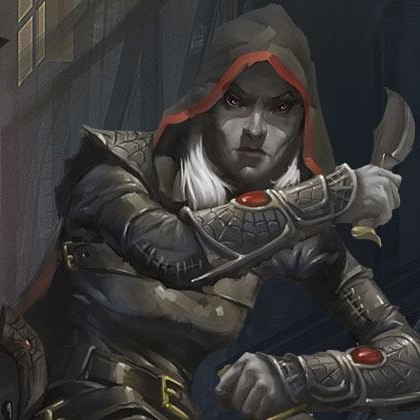
One level of rogue will give you expertise which you can put into athletics for super grapples or something like stealth if you intend to sneak around a lot. Sneak attack will give you some extra damage each turn too which is very handy. Second level will give you cunning action but this is less helpful for a barbarian that relies less on disengaging and hiding and is often occupying their bonus action with more important things anyway so one level in rogue is probably enough.
Roleplaying a barbarian
Barbarians are often pigeon-holed into the smash first ask questions later category, and I see a lot of players use them this way (it probably doesn’t help that their signature feature is called rage). The reality is that barbarians tend to be far more nuanced and interesting. Below are some ideas for how you could roleplay a barbarian beyond just being a psychopathic murder hobo!
- Nature’s guardian: Raised by your tribe to reverence the natural world, you work in harmony with it. Nature is your home, but it is also often under threat. You have become a protector of sorts, operating against the forces that would bring destruction rather than nurture.
- Tribal leader: As the most powerful warrior in your tribe, you were chosen to be their leader. For whatever reason, this calling has drawn you away from your tribal lands on a path of adventure. Perhaps an outside enemy threatens the peace of your tribe. Maybe that enemy has already destroyed your tribe and you seek vengeance. Whatever that reason is, you carry the burden of leadership.
- Vengeful warrior: You were badly wronged and witnessed terrible atrocities. This has led you down the path of vengeance. You draw upon the powers of nature to help you fulfil that vengeance and to help you eradicate similar evils within the world. Or perhaps you simply seek to sate the anger boiling within your soul…
Other class guides
Not sure a barbarian is for you. Not to worry, why not check out one of our other class guides.


